
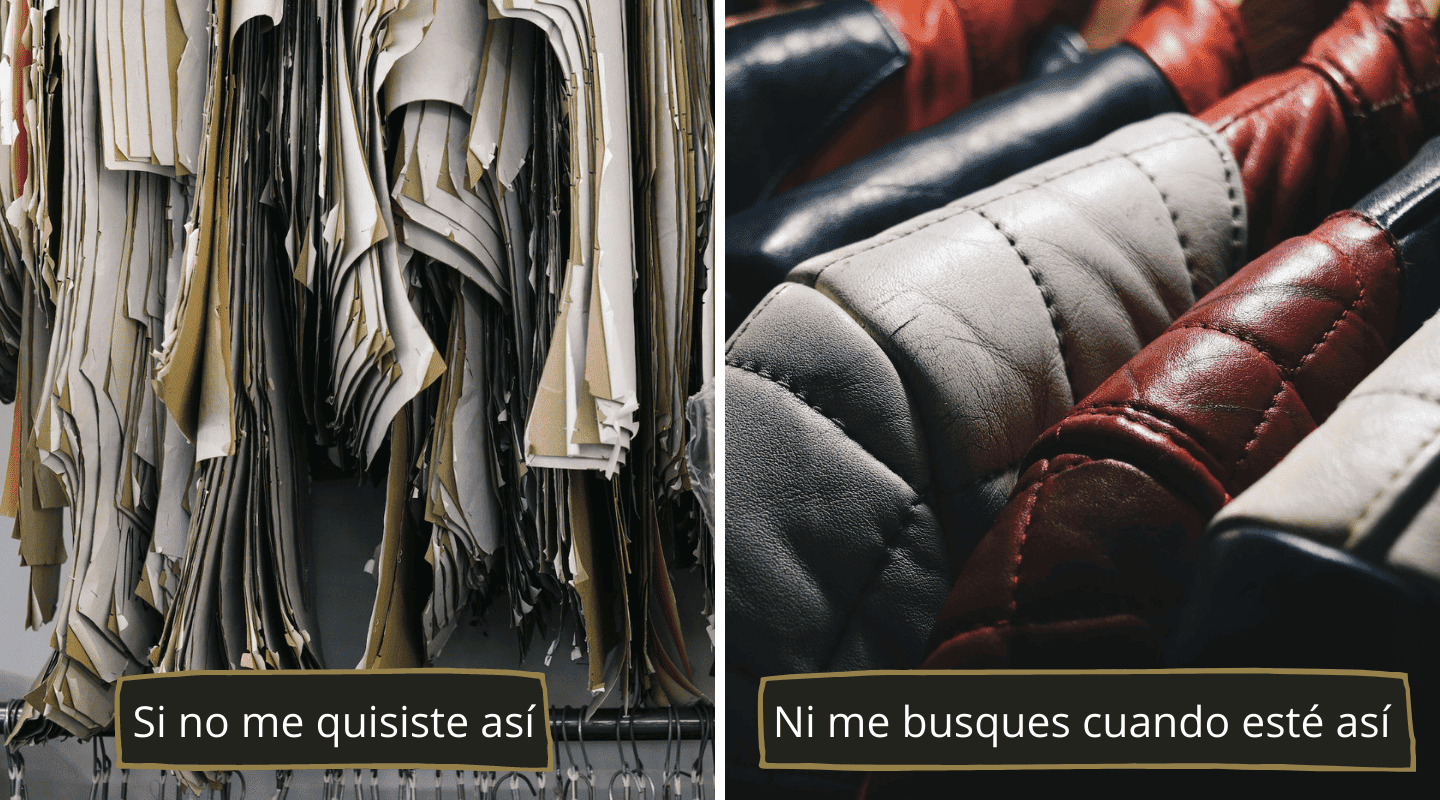
 Don’t even think about it, my dear!
Leather is the foundation of cool, stylish, fashionable, and it never goes (and will never go) out of style. There are so many artisanal brands and major fashion industries that use leather in bags, wallets, belts, briefcases, jackets, pants, and much more. Leather is so trendy that both small craftspeople and large brands now sell handmade leather products in various seasonal collections, featuring different designs, shapes, and sizes. Leather items are synonymous with elegance, as well as being a fashion statement that is authentic and enduring.
Leather can last decades with proper care. It doesn’t wear out or fade quickly. And it’s a versatile material, perfect for making bags, wallets, belts, and footwear. Leather softens and becomes more flexible as it ages, and it’s also easy to clean and maintain because it’s water-resistant.
For centuries, leather has been like a precious gem because the older it gets, the stronger it becomes. It’s like aged wine or well-matured whiskey that can last for centuries, which is why some leather items are passed down from generation to generation. Some even describe it as the perfect relic.
 You wish you were this cool😎
But have you ever wondered, since when did humans start using leather? When did leather arrive in Ecuador? What was its first use and in which civilization? Who came first, the chicken or the egg? While we may not have answers to all your questions, we will answer some of these curiosities about the origin of this precious material:
Leather has been used for thousands of years as a protective material. Humans have often used as many parts of animals as possible to survive and to develop tools for a better, easier life. Leather footwear, for example, made it easier to walk and explore new lands, supporting a nomadic lifestyle.
With large animals nearby, humans began using their hides to make clothing. In colder climates, fur coverings provided excellent warmth, while in warmer climates, hides could be used for shade and keeping cool. Leather craftsmanship was primarily functional, depending on existing conditions.
As humans evolved and societies developed, so did the uses of leather. Its applications grew to include leather armor, boots, wallets, tents, writing surfaces, jewelry, and other accessories. In some cultures, leather was considered a symbol of high status, and leather crafts became both functional and visually appealing items.
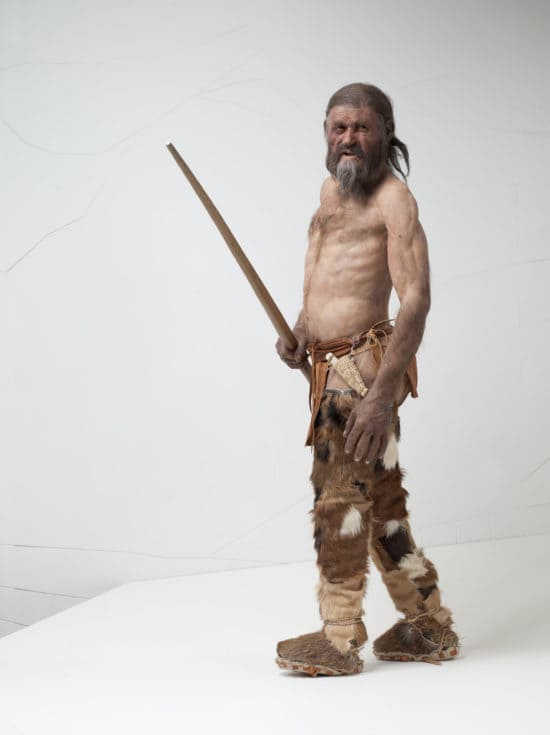 In 1991, a naturally mummified man over 5,000 years old was discovered in a mountain range bordering Austria and Italy. His leather garments were intact.
Evolution of Leather
Over time, leather became a staple in everyday life. Mass-produced leather shoes, gloves, jackets, bags, and accessories became widely available. Leather craftsmanship had now become a thriving industry. It was one of the first industries to operate based on a global supply chain for raw materials, with a large international consumer base excited to buy and use leather goods.
Demand became so high that the first “synthetic leathers” appeared, made from plastic and other compounds, which are now becoming increasingly popular to meet the demand of various market segments due to their lower price and animal-friendly nature.
Few materials have existed for so long and been used so widely as leather. It’s incredible to see how the craft has evolved over time and how far it has come since its early days.
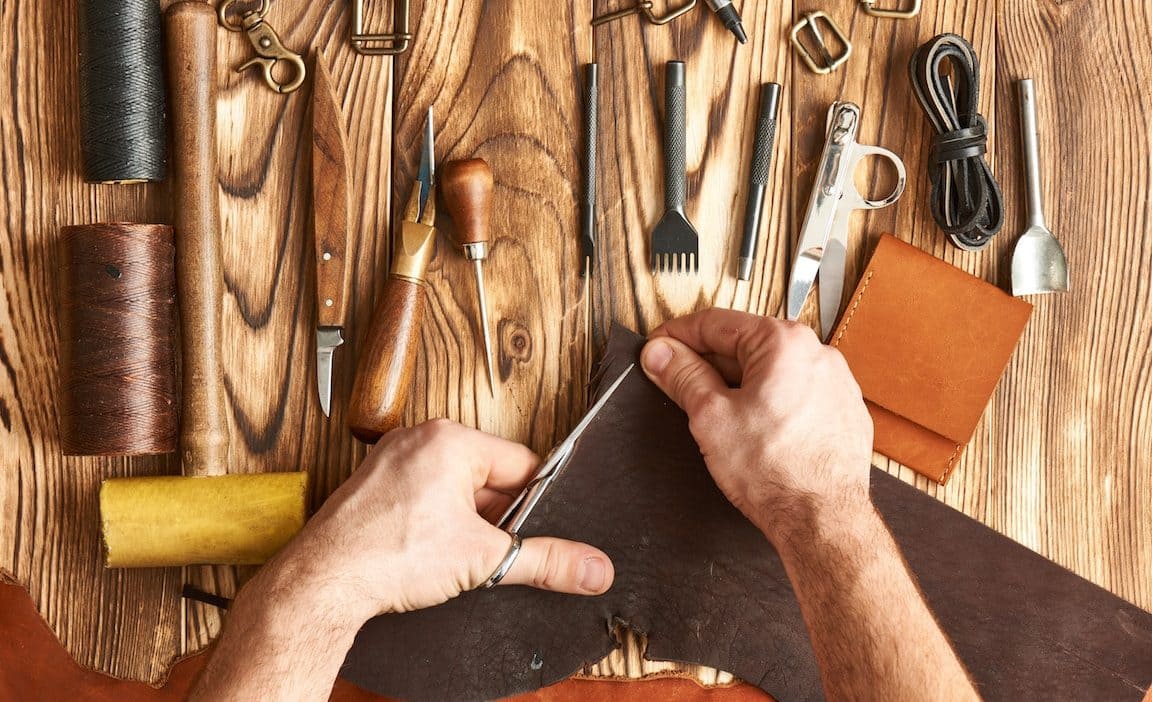 The long journey leather has traveled and how it has remained in our society is fascinating
Leather in Ecuador
In Ecuador, leather use dates back to pre-Columbian times when indigenous people used hides for protection against harsh weather, covering their bodies and feet, and even using them as shields in wars. During the Inca period, preservation techniques improved, extending the use of hides to “Quipus,” a system of writing with knots on tanned leather cords.
By the mid-16th century, the renowned Spanish monk Bartolomé de las Casas, during his many travels across continents, found in Central and South America the remarkable skill of the natives in leathercraft, which, according to the monk, was superior to the leather made in Castilla, Spain.
Thus, the production of shoes, belts, saddles, book bindings, and other items began in Ecuador with the arrival of the Spanish, who brought the knowledge needed to develop new tanning methods. Today, the provinces of Azuay and Tungurahua are known for leather production and transformation.
In the 1960s, the sector was characterized by artisanal development; the footwear industry industrialized, and small family workshops transformed into companies, with Ecuadorian shoes being recognized more for durability and resistance than fashion. It wasn’t until the 1990s that guilds, associations, cooperation bodies, and training schools were established to support sector growth.
Globalization has brought some challenges for artisanal sectors, competing with lower-quality imported products at lower prices, but it has also created opportunities to place Ecuadorian leather on the international map as a producer of high-quality leather goods, opening export opportunities to Europe, Asia, and North America.
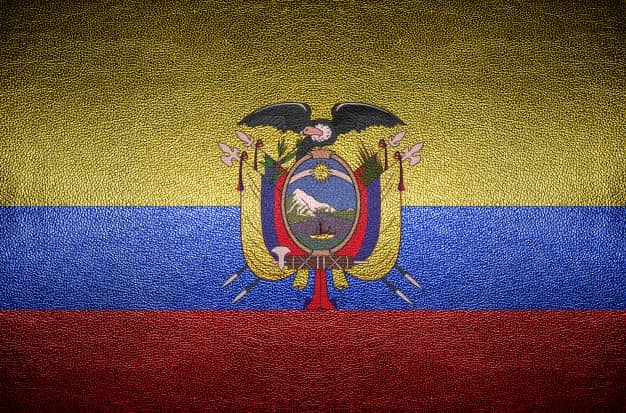 Even better if your leather is Made in Ecuador
Looking for Custom Leather Apparel and Accessories?
Qiwa is a family business that has been creating leather goods, accessories, automotive upholstery, and jackets with high standards of quality and design for 30 years. We now also offer new lines of custom packaging to enhance product image, a line of advertising and corporate image products, and a Premium line where we develop premium accessories with our brand and designer brands, supporting various entrepreneurial projects.
Learn more about our history here and browse our product catalog here. You can also contact us directly here.